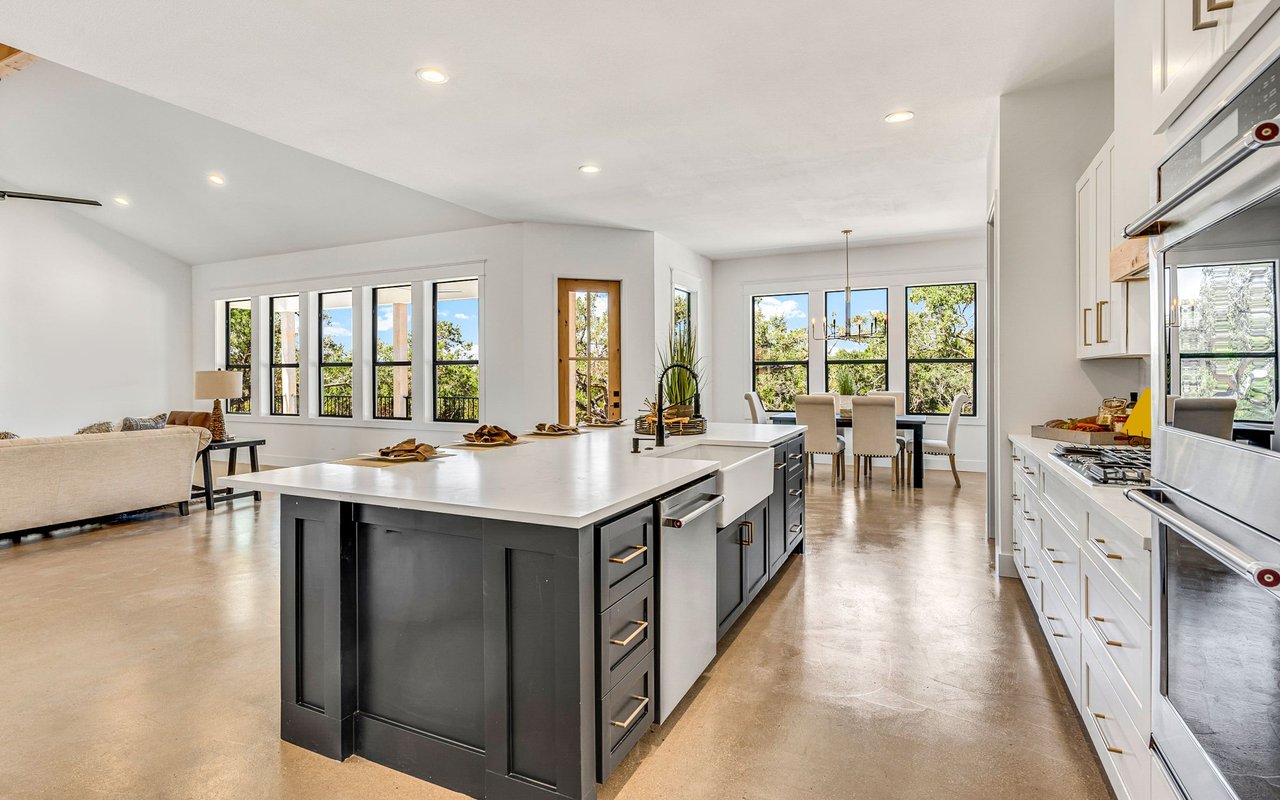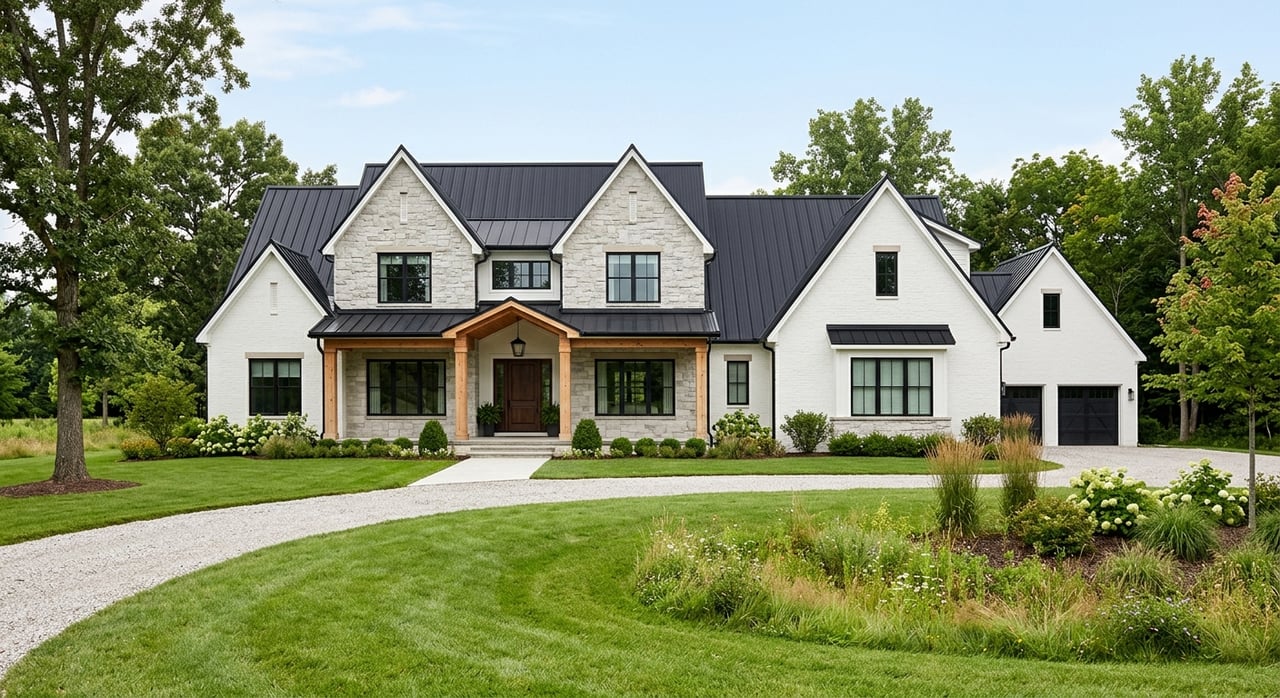
Wondering whether Bridgeport, Texas is more of a small-town home market, a lake market, or a land market? The answer is a little of all three, and that is exactly why understanding this area takes more than a quick glance at a price tag. If you are planning to buy or sell in Bridgeport, it helps to know what shapes value here, what types of properties are most common, and how to think about pricing with confidence. Let’s dive in.
Bridgeport at a Glance
Bridgeport is a small city in Wise County with an estimated 2024 population of 6,763. Census data also shows 1,835 households, an average of 2.94 persons per household, and an owner-occupied housing rate of 66.0 percent.
Those numbers point to a market that leans strongly toward owner-occupied homes rather than a dense renter-heavy housing mix. In simple terms, Bridgeport feels more like a traditional small-town housing market than a fast-turnover urban one.
Location also plays a big role in how the market behaves. The city’s comprehensive plan places Bridgeport about 46 miles from Downtown Fort Worth and about two miles east of Lake Bridgeport, which gives it a mix of small-town identity and recreation-driven appeal.
Bridgeport is also recognized as a Texas Main Street City and has national Main Street accreditation. That adds to the city’s character and helps explain why some buyers are drawn to both its downtown feel and its access to outdoor amenities.
What Kinds of Homes Are in Bridgeport?
If you want to understand the Bridgeport housing market, start with the property mix. The 2024 Wise County Appraisal District roll for the City of Bridgeport shows that single-family residences are the largest category by far, with 1,566 accounts.
That matters because it tells you detached homes are the core of the market. If you are shopping for a primary residence or preparing to sell one, you are in the segment that drives much of Bridgeport’s housing activity.
Still, Bridgeport is not only about standard in-town homes. The same appraisal roll shows 401 commercial real property accounts, 185 vacant lots and land tracts, 53 multifamily accounts, 50 rural land accounts not qualified as open-space, and 31 qualified open-space land accounts.
That mix makes Bridgeport more varied than a typical subdivision-only market. You can find traditional homes, homesites, land tracts, and acreage-style properties, all of which can behave differently when it comes to pricing.
Bridgeport Prices in Simple Terms
One of the most confusing parts of any market update is that different sources measure value in different ways. In Bridgeport, public market snapshots place the market’s typical value in the low-to-mid $200,000s, but the exact figure depends on whether you are looking at home values, sale prices, list prices, or owner-occupied value estimates.
For example, Zillow reported an average home value of $223,656 as of March 31, 2026. Redfin reported a March 2026 median sale price of $270,295 and a median sale price per square foot of $163, while Census QuickFacts reported a 2020-2024 median owner-occupied value of $253,500.
These numbers are not direct apples-to-apples comparisons. Still, taken together, they support a practical shorthand: Bridgeport’s resale market generally centers around the mid-$200,000s, with lower-priced homes usually needing updates or offering less space, and higher-priced homes often bringing stronger amenities, better land characteristics, or lake-related appeal.
A useful way to think about Bridgeport pricing is by broad bands:
- Low $200,000s: often smaller homes or properties that may need more updates
- Mid $200,000s to low $300,000s: many standard resale homes
- $300,000 and up: often larger lots, lake-adjacent homes, custom features, or acreage-backed properties
These are not official pricing tiers. They are simply a helpful way to frame how the market tends to sort itself based on current public snapshots and local property types.
The Three Bridgeport Submarkets
One of the best ways to make sense of Bridgeport is to break it into three practical submarkets. This gives buyers and sellers a clearer view of how homes are compared and why similar square footage can produce very different prices.
In-Town Single-Family Homes
This is the most common part of the market. In-town homes are usually compared based on condition, lot size, layout, updates, and convenience to downtown or city services.
For buyers, this segment often offers the most familiar home-shopping process. For sellers, presentation, maintenance, and pricing strategy tend to matter just as much as square footage.
Lake-Adjacent or Lake-Access Homes
Lake Bridgeport is a major local amenity, and it helps shape demand in this part of the market. The Texas Water Development Board describes Lake Bridgeport as an 11,954-acre reservoir on the West Fork Trinity River, and Texas Parks and Wildlife lists public access points including the US 380 Bridge, Lakeside Marina, Dam Site, Wise County Park, and North Side Marina.
From a market standpoint, homes with lake views, easier marina or launch access, or closer ties to lake recreation often command stronger pricing than similar inland homes. That is a market-based inference rather than an official pricing study, but it reflects how buyers typically respond to location and lifestyle benefits.
Acreage and Rural Properties
This is where Bridgeport becomes especially distinct. The city appraisal roll includes both qualified open-space land and rural land categories, with 899.8 acres of qualified open-space land and 286.3 acres of rural land that is not qualified open-space land.
That means land is not just a side category in Bridgeport. It is a meaningful part of the market, and acreage properties need to be evaluated differently from standard residential lots.
What Drives Home Values in Bridgeport?
In many markets, buyers can get pretty far by comparing square footage, bedroom count, and recent nearby sales. In Bridgeport, those basics still matter, but they do not tell the full story.
Several local factors can push value up or down depending on the type of property.
Lake Access and Recreation
Bridgeport’s connection to the lake affects how some buyers view a property. Proximity to public access points, views, and ease of getting to recreation can all strengthen a home’s appeal.
That does not mean every property near the lake carries the same premium. It means lake-oriented benefits can influence demand and should be considered when comparing homes.
Land Usability
With acreage or land-backed properties, size alone is not enough. Road frontage, utility access, floodplain concerns, improvements already on the property, and how usable the land is can all affect value.
Two parcels with the same number of acres can perform very differently in the market. That is one reason land pricing often requires a more detailed review than a standard in-town home sale.
Agricultural or Open-Space Status
For some landowners and buyers, tax treatment may also play a role. The Texas Comptroller states that qualified agricultural or open-space land is taxed based on productivity rather than market value.
That can affect how acreage is evaluated and compared. If you are buying or selling land in Bridgeport, it is important to understand whether that status applies and how it fits into the bigger picture.
Utility and Service Access
The City of Bridgeport’s comprehensive plan emphasizes coordination of water, wastewater, transportation, parks, and capital improvements. It also warns against leapfrog development at the edge of town.
In practical terms, that suggests outlying land with ready access to services may behave differently from raw edge-of-town acreage. Service availability can shape both usability and buyer interest.
What Buyers Should Watch Closely
If you are buying in Bridgeport, the biggest decision may not be price alone. It may be deciding which submarket best matches your goals.
The same budget can buy very different properties depending on whether you want a standard in-town home, a lake-oriented property, or acreage with room to build, keep animals, or enjoy more open space. Getting clear on that early can save time and help you compare options more realistically.
As you evaluate homes or land, pay close attention to:
- Property type and submarket
- Condition and update level
- Lot size and usability
- Access to city services or utilities
- Proximity to the lake or recreation points
- Land classification and tax treatment, if applicable
This is especially important in Bridgeport because a home’s value is often tied to more than the house itself. The land, access, and setting can carry just as much weight.
What Sellers Should Keep in Mind
If you are selling in Bridgeport, one of the most important takeaways is this: square footage alone rarely tells the whole story. A home with the same size and bedroom count can be priced very differently based on location, lot characteristics, lake access, or acreage usability.
That is why thoughtful pricing matters here. Sellers benefit from looking at the right comparable properties within the right submarket instead of relying on broad averages.
It also helps to understand what buyers are really shopping for. Some are looking for a move-in-ready in-town home. Others want room to spread out, better access to the lake, or land with long-term flexibility.
When you know which audience your property best fits, your pricing and marketing can become much more effective. That kind of clarity is especially valuable in a market with both residential and land-driven segments.
Why Local Guidance Matters in Bridgeport
Bridgeport is not a one-size-fits-all market. It includes owner-occupied homes, custom-home potential, vacant lots, and acreage, all within a setting shaped by small-town living and proximity to Lake Bridgeport.
That creates opportunity, but it also means buyers and sellers need a clear local lens. The strongest decisions usually come from understanding not just the citywide numbers, but how your specific property type fits into the market.
Whether you are buying your next home, planning to sell, or exploring land, steady guidance can make the process feel simpler and more strategic. In a market like Bridgeport, that kind of clarity goes a long way.
If you are planning a move in Bridgeport or anywhere in Wise County, Rhonda Jenkins offers experienced, relationship-first guidance for resale homes, custom homes, land, and rural properties.
FAQs
What is the average home price in Bridgeport, TX?
- Public data points vary by source and method, but current snapshots place Bridgeport’s typical housing value in the low-to-mid $200,000s, with much of the resale market centering around the mid-$200,000s.
What types of properties are common in Bridgeport, TX?
- Single-family homes are the largest property type in Bridgeport, but the market also includes vacant lots, multifamily properties, commercial properties, and acreage or open-space land.
How does Lake Bridgeport affect home values in Bridgeport, TX?
- Properties with lake views, easier access to marinas or launches, and closer ties to recreation may see stronger buyer interest and pricing than similar inland properties.
What should buyers compare when shopping in Bridgeport, TX?
- Buyers should compare homes by submarket first, including in-town homes, lake-oriented properties, and acreage properties, then look at condition, lot usability, utility access, and location features.
Why is pricing land in Bridgeport, TX different from pricing a house?
- Land value can depend on road frontage, utility access, floodplain issues, improvements, usability, and whether the property has qualified agricultural or open-space tax treatment.
Is Bridgeport, TX mostly a homeowner market?
- Yes. Census data shows a 66.0 percent owner-occupied housing rate, which suggests a market that leans more toward owner-occupied homes than dense rental housing.