Buying land in Bridgeport, TX can open the door to a lot of possibilities, from a future homesite to a recreational getaway or long-term investment. But land purchases come with questions that do not always show up when you buy an existing home. If you want to avoid expensive surprises, it helps to understand access, utilities, permits, and property restrictions before you close. Let’s dive in.
Why Bridgeport land attracts buyers
Bridgeport appeals to buyers looking for space, flexibility, and a more rural setting in Wise County. The area is also known for outdoor amenities like Lake Bridgeport and the Northwest OHV Park, which helps explain why some buyers look for recreational tracts in addition to future homesites.
That said, not every parcel works for every goal. A tract that looks ideal on paper may have limits tied to access, utilities, floodplain, or subdivision rules. That is why careful due diligence matters so much when you are buying land in Bridgeport.
Start with jurisdiction
One of the first things to confirm is whether the property is inside Bridgeport city limits, in the ETJ, or in unincorporated Wise County. This can affect utilities, permit questions, and development rules.
According to the City of Bridgeport utility information, buyers should first confirm whether an address is inside the city service area. If the property is inside city limits, City of Bridgeport electric service is required. If it is outside city limits, another provider may serve the tract.
Jurisdiction also matters for planning and permitting. Bridgeport maintains planning and zoning bodies, and Wise County notes that if a parcel is in an incorporated city or ETJ, you should contact City Hall for permit information.
Confirm legal access early
Access is one of the most important land issues to verify. A parcel can look easy to reach on a map, but that does not always mean you have legal access.
Texas A&M AgriLife explains that there is no automatic right of access to landlocked property. If access depends on an easement, you want that easement to be written and recorded in the county deed records, not based on a handshake agreement.
Road type matters too. Wise County states that county roads are handled by the precinct commissioner, but the county does not maintain private roads. If the tract is on a private road, ask who maintains it, how costs are shared, and whether emergency vehicles can reach the site.
Review deed records and title details
With land, title review goes beyond simply confirming ownership. You also want to know what the records say about easements, restrictions, and other rights tied to the property.
Wise County’s County Clerk information explains that deed records are maintained at the county level and that recorded documents must meet formal requirements. This is also one of the places to help verify items discovered during a title search.
If you are planning to build, divide, or hold the property long term, recorded details can shape what you can actually do with the land. A strong title review helps you understand the practical use of the tract, not just the legal description.
Understand mineral rights and surface use
In Texas, mineral rights can be separated from surface rights. That means the seller may not own all mineral interests, and a buyer may not receive them with the land.
Texas A&M AgriLife notes that the mineral estate can be the dominant estate and may include the right to reasonably use the surface for mineral development. For you as a buyer, this makes mineral reservations, oil-and-gas leases, and existing pipelines important review items.
This does not mean every tract will have a problem. It does mean you should ask clear questions and have title professionals help you review what is reserved, what is conveyed, and whether any surface-use issues could affect your plans.
Check utilities before you fall in love
Utility availability can have a big impact on value, buildability, and total cost. A tract with city utilities nearby may involve different planning and expense than one that needs a well and septic system.
The City of Bridgeport utilities department handles water, wastewater, garbage, and electricity billing in its service area. The city also publishes water and sewer tap fees, which means connection costs should be part of your budget if city service is available.
If the parcel is outside city service, you may need to confirm another electric provider, plus whether a well and septic system are feasible. These are not small details. They can shape everything from your budget to your building timeline.
Know the septic and well questions
Many rural or semi-rural land purchases depend on septic feasibility. Even though Wise County does not require general building permits, the county does require septic permits, and city or ETJ property may involve separate local requirements.
The Texas Commission on Environmental Quality says permits are required for on-site sewage facilities, including septic systems. TCEQ also explains that local authorities can be more strict than state minimums, and that site evaluations generally consider lot and soil conditions in the disposal area.
If you are considering a well, that needs early attention too. The Texas Department of Licensing and Regulation regulates water well drilling and pump installation, and its guidance includes spacing standards between wells and septic systems. For a future homesite, you want to know that the lot can reasonably fit a home, septic system, and well together.
Review floodplain and drainage risk
A beautiful tract can still come with floodplain or drainage issues that affect where and how you build. That is why floodplain review should happen before you finalize your plans.
The official public source for flood hazard maps is FEMA’s Map Service Center. In addition, Wise County’s development rules require a Floodplain Development Permit before construction in the floodplain and include added standards for drainage and land development.
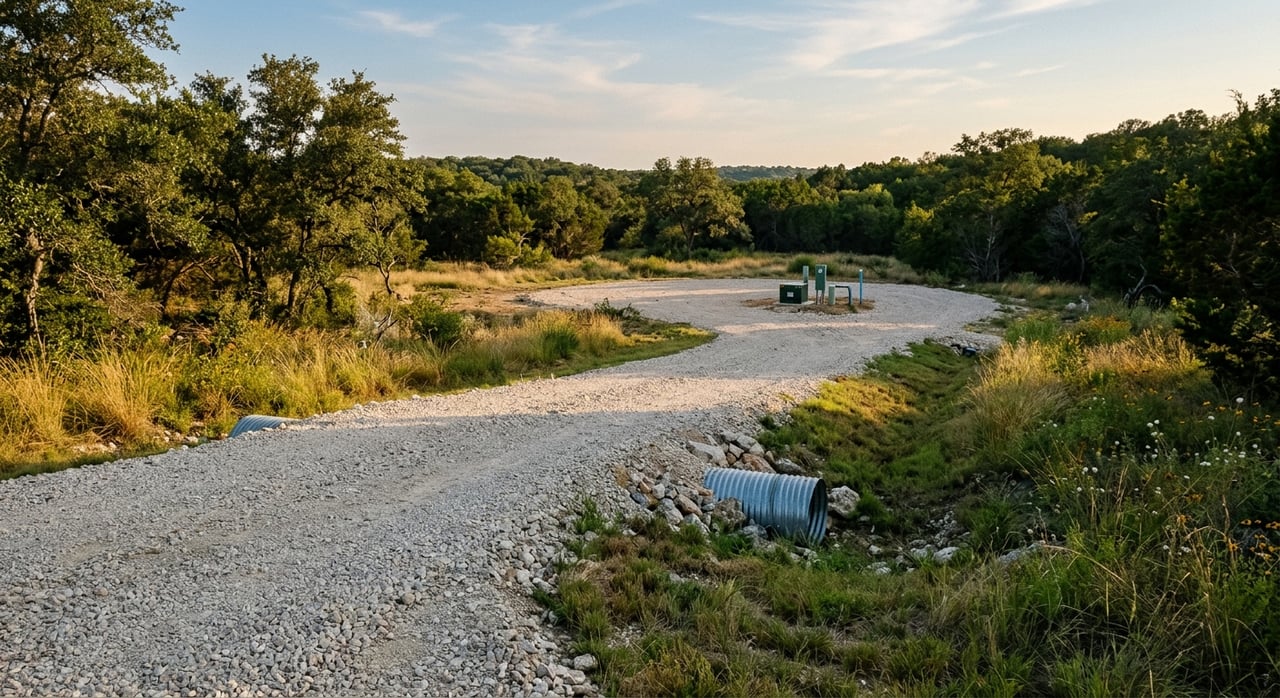
Wise County’s development regulations also address driveway culverts and note that underground utilities must be located before excavation on a lot. If a tract needs driveway work, drainage improvements, or site prep, those items should be part of your research and budget.
Think ahead about subdivision potential
Some buyers want to enjoy the property now and divide it later. If that is part of your long-term plan, you need to understand subdivision rules before you buy.
Wise County development rules apply to subdivisions outside municipalities. The county also notes that land in a municipality’s ETJ may be regulated under a county-municipal agreement.
In simple terms, a tract that works well as one parcel today may face additional requirements if you later try to split it. If future division matters to you, that should be part of your due diligence from day one.
Prepare for different financing
Land financing is often different from a standard home mortgage. Loan programs, down payment expectations, and terms can vary based on whether the property is raw land, recreational acreage, agricultural land, or a future homesite.
The USDA Farm Service Agency says its Texas farm loan programs may help family-size farmers and ranchers purchase land when commercial credit is not available. Your financing options will depend on your goals, qualifications, and the type of tract you are buying.
Because of that, it is smart to speak with lenders early and make sure they regularly finance the type of land you want. That conversation can help you avoid falling in love with a property that does not fit your loan options.
Ask tax questions before closing
Property taxes and exemptions can affect your long-term holding costs. If a parcel already has a special valuation or exemption, you will want to understand how that status works and whether it could change after the sale.
Wise County states that exemption questions go through the Wise Appraisal District. That makes the appraisal district the right place to ask about parcel-specific tax treatment and any questions tied to exemptions or special valuation.
This step is especially important if you are buying acreage with long-term plans. A quick review now can help you build a more realistic ownership budget.
A practical land-buying checklist
Before you move forward on a tract in Bridgeport, keep these questions in mind:
- Is the property inside Bridgeport city limits, in the ETJ, or in unincorporated Wise County?
- Does the deed show legal access, or will you need a recorded easement?
- If the road is private, who maintains it?
- Are water, sewer, and electric available, or will you need a well and septic system?
- Is any part of the tract in a floodplain?
- Are there mineral reservations, pipelines, or surface-use restrictions?
- If you plan to build later, can the tract support your intended homesite layout?
- If you may divide the property later, what subdivision rules could apply?
- Does your lender finance this type of land?
- Are there tax exemptions or special valuations currently attached to the parcel?
Work with a local guide who understands land
Buying land in Bridgeport, TX is not just about finding acreage that looks good online. It is about making sure the property fits your goals, your budget, and your plans for the future.
With land, the right questions can save you time, money, and stress. If you want experienced, steady guidance as you explore land, farm and ranch, or future homesite opportunities in Wise County, connect with Rhonda Jenkins. She brings a relationship-first approach, strong communication, and practical local insight to every step of the process.
FAQs
What should you check first when buying land in Bridgeport, TX?
- Start by confirming whether the property is in Bridgeport city limits, the ETJ, or unincorporated Wise County, because that can affect utilities, permits, and development rules.
Why does legal access matter when buying Wise County land?
- Legal access matters because Texas does not automatically grant access to landlocked property, so you should verify a recorded easement if direct access is not obvious.
Do you need permits for septic systems on land in Bridgeport or Wise County?
- Yes. Wise County requires septic permits, and parcels in a city or ETJ may also involve local requirements that should be confirmed with the proper authority.
How do utilities affect the value of land in Bridgeport, TX?
- Utility availability can affect both cost and buildability, since a tract with city water and sewer may involve different expenses and planning than one that needs a well, septic, or another electric provider.
Should you check floodplain maps before buying land in Wise County?
- Yes. FEMA flood maps and county development rules can help you understand flood risk, drainage issues, and whether a Floodplain Development Permit may be required before construction.